
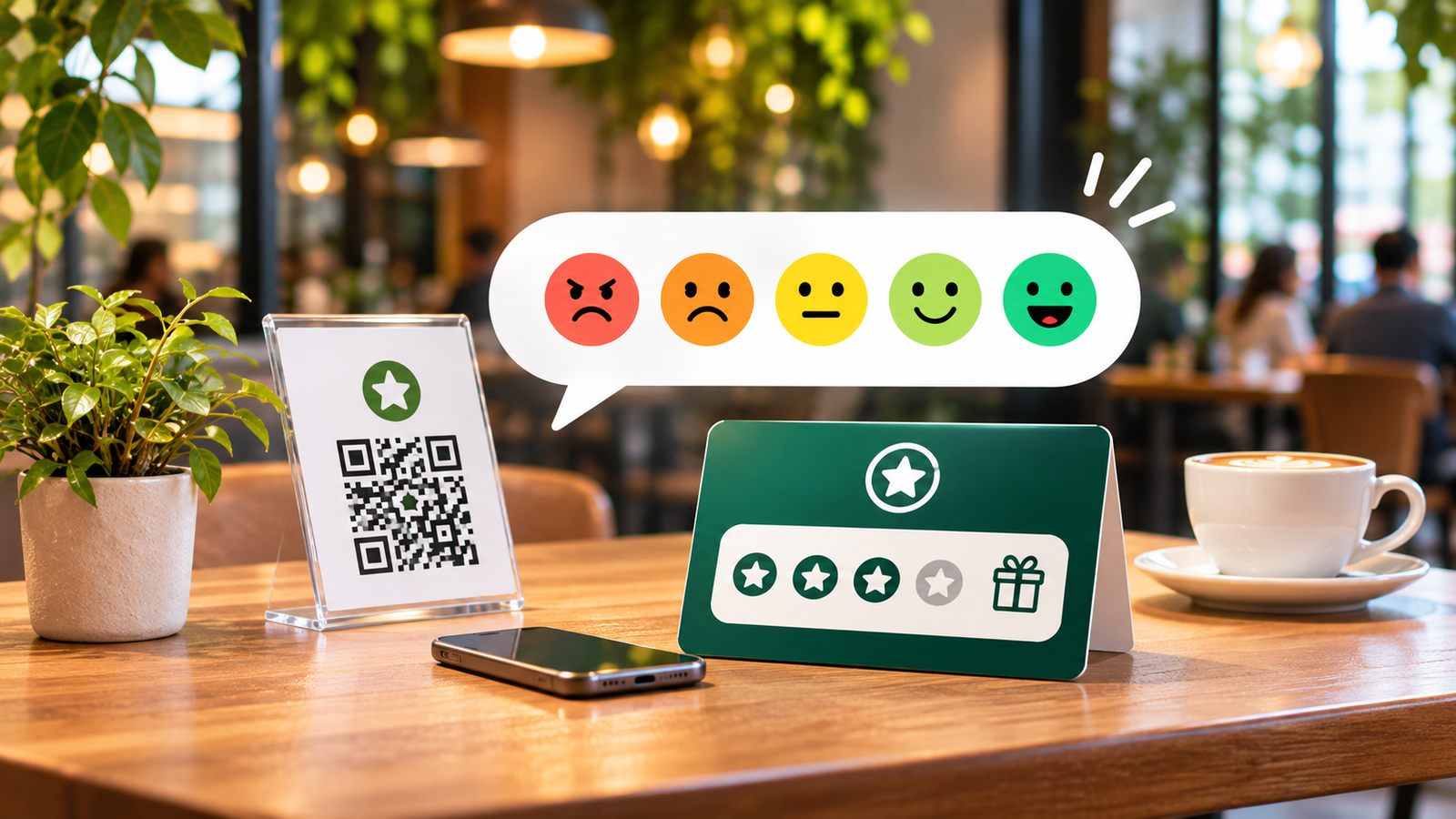
Customer experience is crucial for your business
Imagine someone visits your restaurant, enjoys the food and receives excellent service. They leave satisfied, but weeks go by and they do not return. Perhaps they found another option, forgot about your business or simply had no added reason to come back.
Now imagine the opposite: a customer has an unpleasant experience, does not complain and decides not to return. In both cases, an opportunity is lost and the business will often never know why that customer did not come back.
Qualtrics’ 2025 Consumer Experience Trends report notes that consumers are becoming less likely to share their experiences directly with companies. Listening only to people who complain can provide an incomplete picture.
Maintaining relationships with customers who have already purchased can also matter. Harvard Business Review cites estimates that acquiring a customer can cost five to twenty-five times more than retaining an existing one, depending on the industry and study.
Loyalty and feedback: two strategies that work better together
A loyalty program recognizes and rewards customers for their relationship with a business. Surveys help explain their experiences, needs and expectations. Loyalty creates interaction opportunities; feedback helps improve those interactions.
A 2022 study published in Decision Support Systems found a higher likelihood of satisfaction-survey participation among customers with higher loyalty-program membership levels. It also found that responding to previous customer opinions could encourage later participation.
This does not mean a points program removes bias or that every customer will answer a survey. It does suggest that an ongoing relationship and visible listening can make active participation more likely.
Positive experiences are valuable information too: they can reveal which products, service moments or details are worth preserving and strengthening.
How Vincua can help
Vincua brings together tools to recognize purchase behavior and better understand each customer relationship.
- Give customers a reason to return. Set earning rules and rewards around visits, purchases or conditions defined by your business.
- Make participation simple. Customers can add their loyalty card to Google Wallet or Apple Wallet, subject to service and device availability.
- Know your customers better. RFM and lifecycle segmentation can help distinguish new, active, loyal or at-risk customers, based on available information.
- Turn information into opportunities. Identify patterns and prepare relevant communications for specific segments, always respecting applicable permissions.
- Complement loyalty with active listening. Satisfaction surveys can help explain why customers behave in a certain way, not only what they did.
An example: improving a restaurant experience
Imagine a restaurant that receives many weekend visitors but does not know how many return or why some stop visiting. It introduces a loyalty program so customers can earn benefits from visits and save their digital card on their phone.
Over time, the team can see who returns frequently, who is new to the venue and who has not visited for several weeks. To complement that information, it sends a short survey with a simple question: what did you enjoy most about your visit, and what could we improve?
The answers may reveal strengths, such as food quality or staff friendliness, and opportunities, such as improving service during busy periods. The restaurant can use this information to guide training and review whether opinions and repeat-purchase patterns change.
This is an illustrative example, not a real success case or a promise of results. It shows how combining behavior and satisfaction can support decisions with better context.
Winning customers is not enough: you need to build relationships
A good experience may motivate a second visit. A loyalty program can provide additional reasons to return. And listening to opinions can help explain what to preserve or improve.
You do not need to wait for a complaint to understand customer experience, nor assume every satisfied customer will automatically return. Loyalty keeps the relationship alive; listening to customers helps give it meaning.
Sources and references
- Qualtrics (2024). 2025 Consumer Experience Trends.
- Harvard Business Review (2014). Amy Gallo. The Value of Keeping the Right Customers.
- Decision Support Systems (2022). The dynamic customer engagement behaviors in the customer satisfaction survey.
- Journal of Business Research (2018). Bruneau, Swaen and Zidda. Are loyalty program members really engaged?
Editorial note: these sources describe specific research and contexts. They are not a promise of results for other businesses.